
Peptide Reconstitution Calculator
Calculate precise dosing measurements for your research protocols. Select your syringe, vial amount, diluent volume, and desired dose.
What is the total volume of your syringe?
Select peptide vial amount
How much bacteriostatic water are you adding?
Dose per injection
Pull the syringe to 1 units
Based on 50 mcg per dose · Syringe 0.3 ml · Vial 5 mg in 1 ml

Best Selling Products
Top research compounds trusted by our community
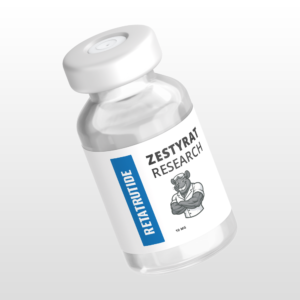
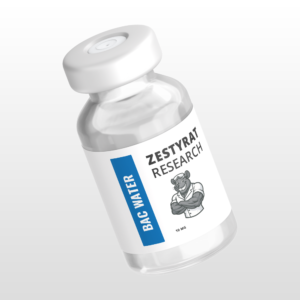
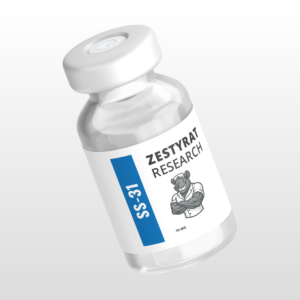
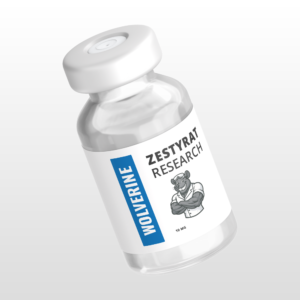
Correct Peptide Reconstitution
Follow these steps for proper peptide preparation in your research
Prepare Your Environment
Work in a clean and quiet space. Wash your hands. Put on gloves and eye protection. Set out what you need:
- Peptide in a glass vial
- Sterile syringe
- Solvent such as bacteriostatic water
- Alcohol swabs and a sharps container
Keep tools on a fresh surface and open only what you will use.
Peptide & Solvent Preparation
Let both vials reach room temperature. This helps the powder dissolve in a steady way.
Lift the center of the metal cap on the peptide vial. Clean the rubber top with an alcohol swab. Clean the solvent vial in the same way.
For most labs the solvent is bacteriostatic water. Use the calculator above to set the volume for your protocol.
Adding the Solvent
Pull the solvent with a sterile syringe. Pierce the peptide vial. Aim the needle at the glass wall and let the liquid run down the side while you push the plunger slowly at about a forty-five degree angle.
Turn the vial with gentle circles. Do not shake. The goal is a clear and even mix.
Storage of Peptide Solutions
Store dry peptide in a cold and dark place. For short use keep it near +4°C. For long storage keep it near -20°C.
After you mix, split the solution into small parts if you plan many sessions. Keep mixed solution near +4°C for a few weeks or frozen for a few months. Limit freeze and thaw cycles.
We provide researchers with clear guidance and high quality peptides for scientific study. This content is for information only. Products are not for human use.